


Sale!
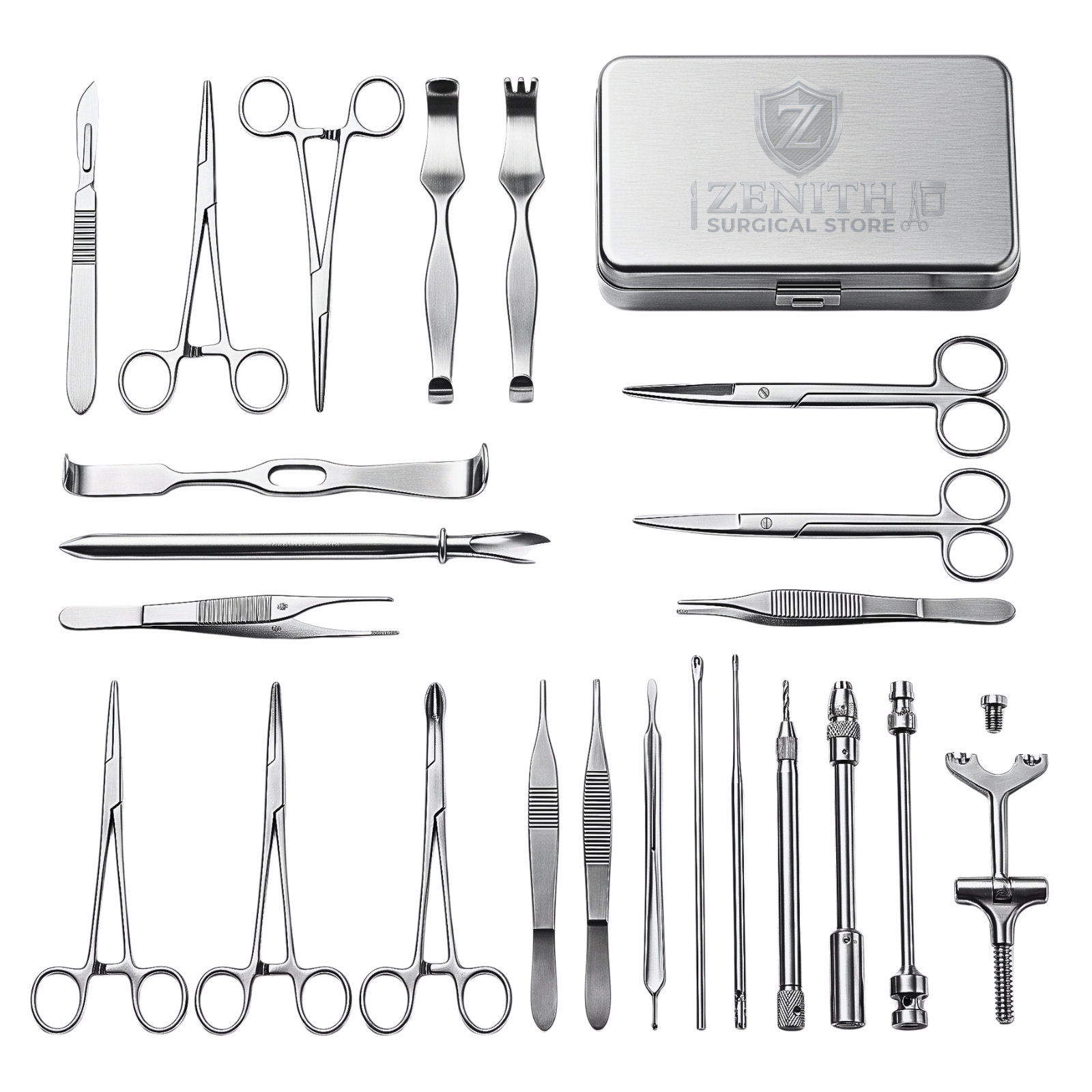

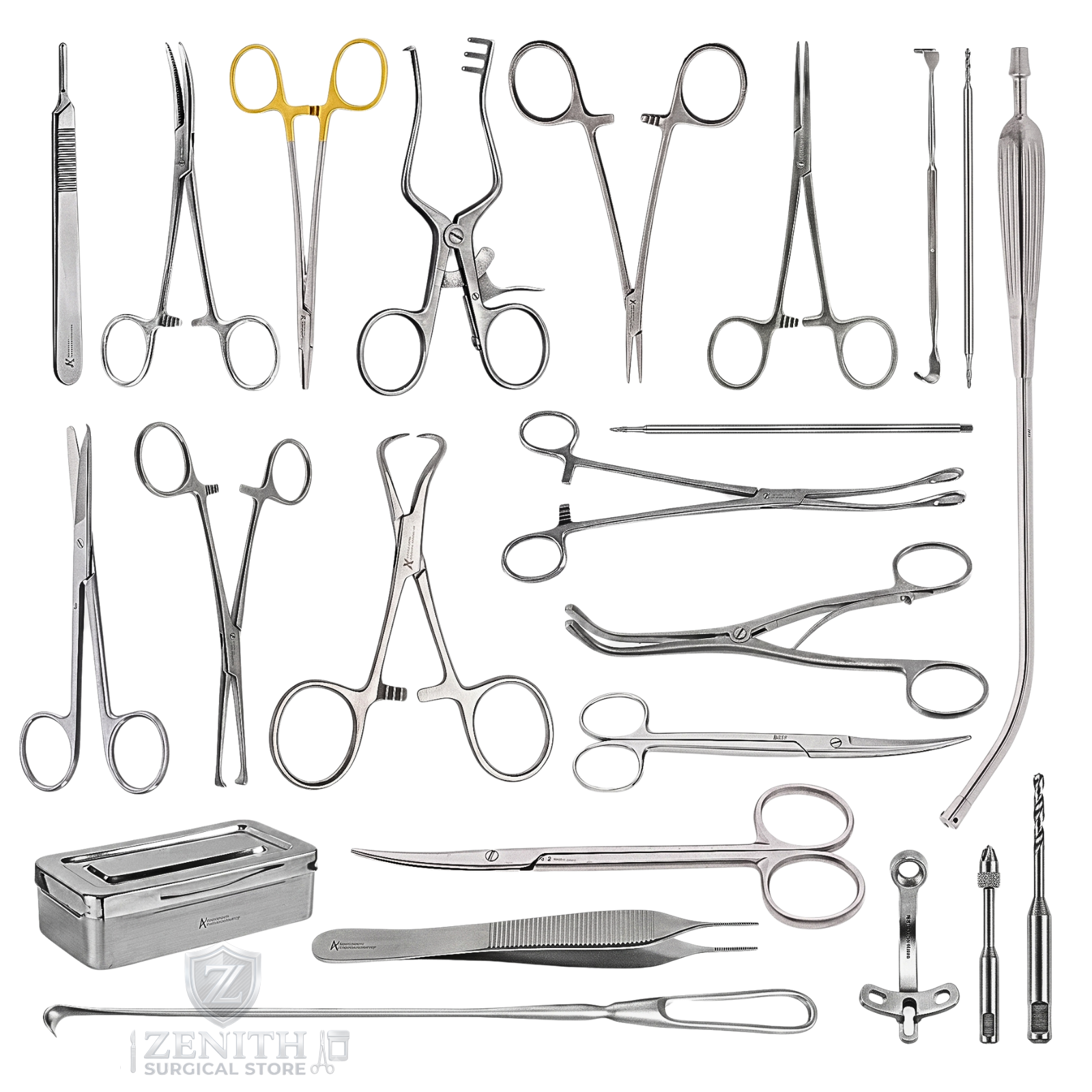


Related products
-
Sale!

Surgical Scissors – Pack of 12 Pcs
Stainless Steel Surgical Scissors Original price was: $79.00.$70.00Current price is: $70.00. Add to cart -
Sale!

Straight Elevator Dental Pack of 3
Dental Elevator Original price was: $45.00.$40.00Current price is: $40.00. Add to cart -

Dental Hygiene Cassettes-5 to 20 Pcs
Dental Surgery Kit Price range: $30.00 through $45.00 Select options This product has multiple variants. The options may be chosen on the product page -
Sale!

Mayo Scissors Straight & Curved-22cm
Stainless Steel Surgical Scissors Price range: $12.50 through $15.00 Select options This product has multiple variants. The options may be chosen on the product page -
Sale!

Articulating Paper Forceps-16cm
Basic Surgery Tools Original price was: $9.00.$8.20Current price is: $8.20. Add to cart -
Sale!

Dental Syringe-1.8cc
Dental Surgical Instruments Original price was: $20.00.$18.50Current price is: $18.50. Add to cart -
Sale!

Thyroidectomy Instruments Set-58 Pcs
ENT Surgical Instruments Set Original price was: $1,500.00.$1,250.00Current price is: $1,250.00. Add to cart -
Sale!

Abdominal Retractor Balfour Retractors – 125mm
Basic Surgery Tools Original price was: $152.00.$135.00Current price is: $135.00. Add to cart -
Sale!

Mayo Hegar Needle Holder-12-20cm
Holder For Needles Original price was: $12.00.$9.00Current price is: $9.00. Add to cart -
Sale!

20-Piece Surgery Tool Kit
Basic Surgical Instrument Kits Original price was: $280.00.$219.99Current price is: $219.99. Add to cart -
Sale!

2-Piece Set of Vice Grips – Premium Quality
Orthopedic Implants And Instruments Original price was: $85.00.$79.90Current price is: $79.90. Add to cart -

Standard Tissue Forceps-16cm
Stainless Steel forceps Price range: $7.00 through $8.00 Select options This product has multiple variants. The options may be chosen on the product page -
Sale!

Tissue Forceps With Teeth- 1×2
Stainless Steel forceps Price range: $8.50 through $9.00 Select options This product has multiple variants. The options may be chosen on the product page -
Sale!

Basic ENT Instrument Set -32 Pcs
ENT Surgical Instruments Set Original price was: $280.00.$265.00Current price is: $265.00. Add to cart -
Sale!

Olsen Hegar Needle Holders 12-19cm
Holder For Needles Original price was: $12.00.$9.50Current price is: $9.50. Add to cart -
Sale!

Allis Tissue Forcep – 12 to 20cm
Stainless Steel forceps Original price was: $17.00.$15.50Current price is: $15.50. Add to cart -

-
Sale!

Mosquito Forceps – 12.5cm Straight & Curved
Stainless Steel forceps Price range: $7.00 through $7.50 Select options This product has multiple variants. The options may be chosen on the product page -
Sale!

Holding Sponge Forceps Foerster -18-45cm
Stainless Steel forceps Original price was: $11.00.$9.00Current price is: $9.00. Add to cart -
Sale!

Adson Forceps With Teeth-12cm
Stainless Steel forceps Price range: $7.50 through $8.50 Select options This product has multiple variants. The options may be chosen on the product page -
Sale!

Pratt Smith Hemostatic Forceps -16cm
Stainless Steel forceps Original price was: $25.00.$22.00Current price is: $22.00. Add to cart -
Sale!

Best Suture Kit -10 Pcs
Basic Surgical Instrument Kits Original price was: $42.00.$37.50Current price is: $37.50. Add to cart -
Sale!

Senn Retractor-16cm-Single & Double Head
Surgical Retractors Price range: $10.00 through $12.00 Select options This product has multiple variants. The options may be chosen on the product page -
Sale!

Bracket Positioning Gauge Orthodontic – Pack of 3
Dental Surgical Instruments Original price was: $30.00.$25.90Current price is: $25.90. Add to cart -
Sale!

Micro Scissors 12cm (2Pcs)– Surgical Instrument
Basic Surgery Tools Original price was: $120.00.$99.90Current price is: $99.90. Add to cart -
Sale!

suture removal kit-10 Pcs
Basic Surgical Instrument Kits Original price was: $100.00.$95.00Current price is: $95.00. Add to cart -
Sale!

Army Navy Surgical Retractors-20cm
Surgical Retractors Original price was: $25.00.$22.00Current price is: $22.00. Add to cart -
Sale!

Gradle Scissors-10cm
Stainless Steel Surgical Scissors Original price was: $12.50.$11.90Current price is: $11.90. Add to cart -
Sale!

5 Pcs-Basic Dental Exam Kit, Diagnostic Instrument
Basic Surgery Tools Original price was: $38.00.$29.99Current price is: $29.99. Add to cart -
Sale!

Metzenbaum Scissors – 14 to 20 cm
Stainless Steel Surgical Scissors Price range: $17.00 through $17.50 Select options This product has multiple variants. The options may be chosen on the product page -
Sale!

Feline Spay Surgical Kit-18 PCS
Veterinary Surgical Tools & Kits Original price was: $120.00.$95.00Current price is: $95.00. Add to cart -
Sale!

Tenotomy Scissors-9cm
Stainless Steel Surgical Scissors Original price was: $15.00.$12.50Current price is: $12.50. Add to cart -
Sale!

Backhaus Towel Clamps 8-14cm
Stainless Steel forceps Original price was: $19.00.$15.90Current price is: $15.90. Add to cart -
Sale!

Disposable Punch Biopsy Kit_1-8mm 15 Pcs
Basic Surgery Tools Original price was: $145.00.$125.00Current price is: $125.00. Add to cart -
Sale!

Suture Scissors-12cm
Stainless Steel Surgical Scissors Original price was: $13.50.$12.00Current price is: $12.00. Add to cart -
Sale!

Vascular Surgery Instruments-160 Pcs
Basic Surgical Instrument Kits Original price was: $2,200.00.$2,130.00Current price is: $2,130.00. Add to cart -
Sale!

Babcock Tissue Forceps – 16cm
Stainless Steel forceps Original price was: $19.30.$17.00Current price is: $17.00. Add to cart -
Sale!

Debakey Vascular Clamp-160mm
Stainless Steel forceps Original price was: $22.00.$20.00Current price is: $20.00. Add to cart