

Sale!




Related products
-
Sale!

Instruments For Gynecology-24 Pcs Set
Gynecologist Tools-Premium Instruments Original price was: $200.00.$180.00Current price is: $180.00. Add to cart -
Sale!
Neurosurgery Instrument Set-95 Pcs
Neurological Tools Original price was: $720.00.$600.00Current price is: $600.00. Add to cart -
Sale!
Post Mortem Instrument Set-35 Pcs
Basic Surgical Instrument Kits Original price was: $220.00.$190.00Current price is: $190.00. Add to cart -
Sale!
Military Suture Kit-16 Pcs
Basic Surgical Instrument Kits Original price was: $55.00.$48.00Current price is: $48.00. Add to cart -
Sale!
Cesarean Section Kit-61 Pcs
Gynecologist Tools-Premium Instruments Original price was: $360.00.$325.00Current price is: $325.00. Add to cart -
Sale!
General Orthopedic Surgery Tools-90 Pcs
Orthopedic Implants And Instruments Original price was: $570.00.$515.00Current price is: $515.00. Add to cart -
Sale!
30 Pcs Tonsillectomy set & Adenoidectomy Instrument Set
Basic Surgical Instrument Kits Original price was: $350.00.$295.00Current price is: $295.00. Add to cart -
Sale!
Gamma Nail Instruments-34 Pcs
Orthopedic Implants And Instruments Original price was: $1,430.00.$1,385.00Current price is: $1,385.00. Add to cart -
Sale!
Synthes Multiloc Humeral Nail -28 Pcs
Orthopedic Implants And Instruments Original price was: $1,450.00.$1,249.90Current price is: $1,249.90. Add to cart -
Sale!
20-Piece Surgery Tool Kit
Basic Surgical Instrument Kits Original price was: $280.00.$219.99Current price is: $219.99. Add to cart -
Sale!
Broken Implant Screw Removal Kit 49 Pcs
Orthopedic Implants And Instruments Original price was: $560.00.$419.90Current price is: $419.90. Add to cart -
Sale!
Dental Extraction Kit-85 Pcs
Dental Surgery Kit Original price was: $185.00.$169.90Current price is: $169.90. Add to cart -
Sale!
Abdominal Hysterectomy Survival Kit-34 Pcs
Basic Surgical Instrument Kits Original price was: $550.00.$470.00Current price is: $470.00. Add to cart -
Sale!
37-Piece Plastic Surgery Set
Basic Surgical Instrument Kits Original price was: $235.00.$180.00Current price is: $180.00. Add to cart -
Sale!
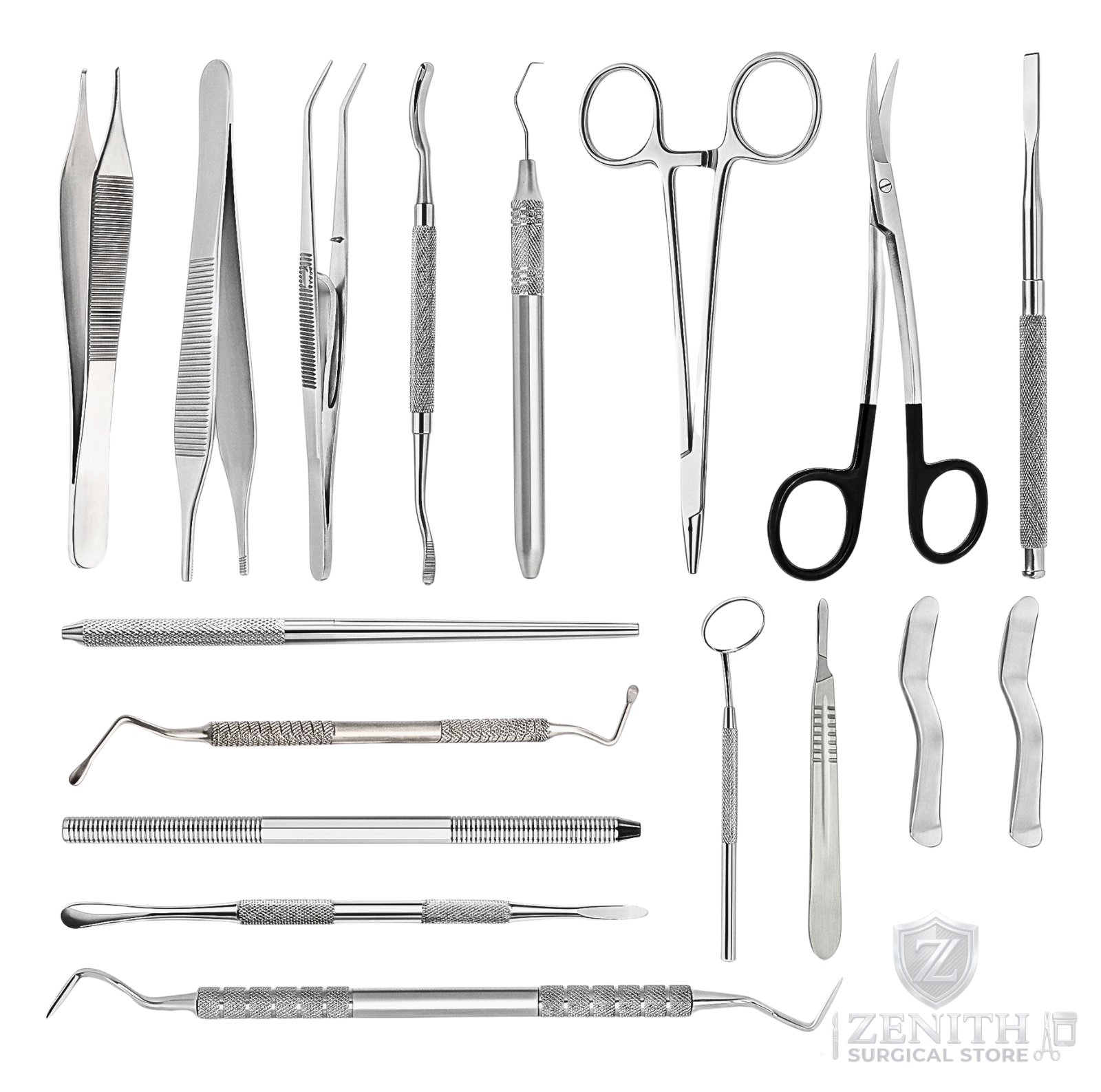
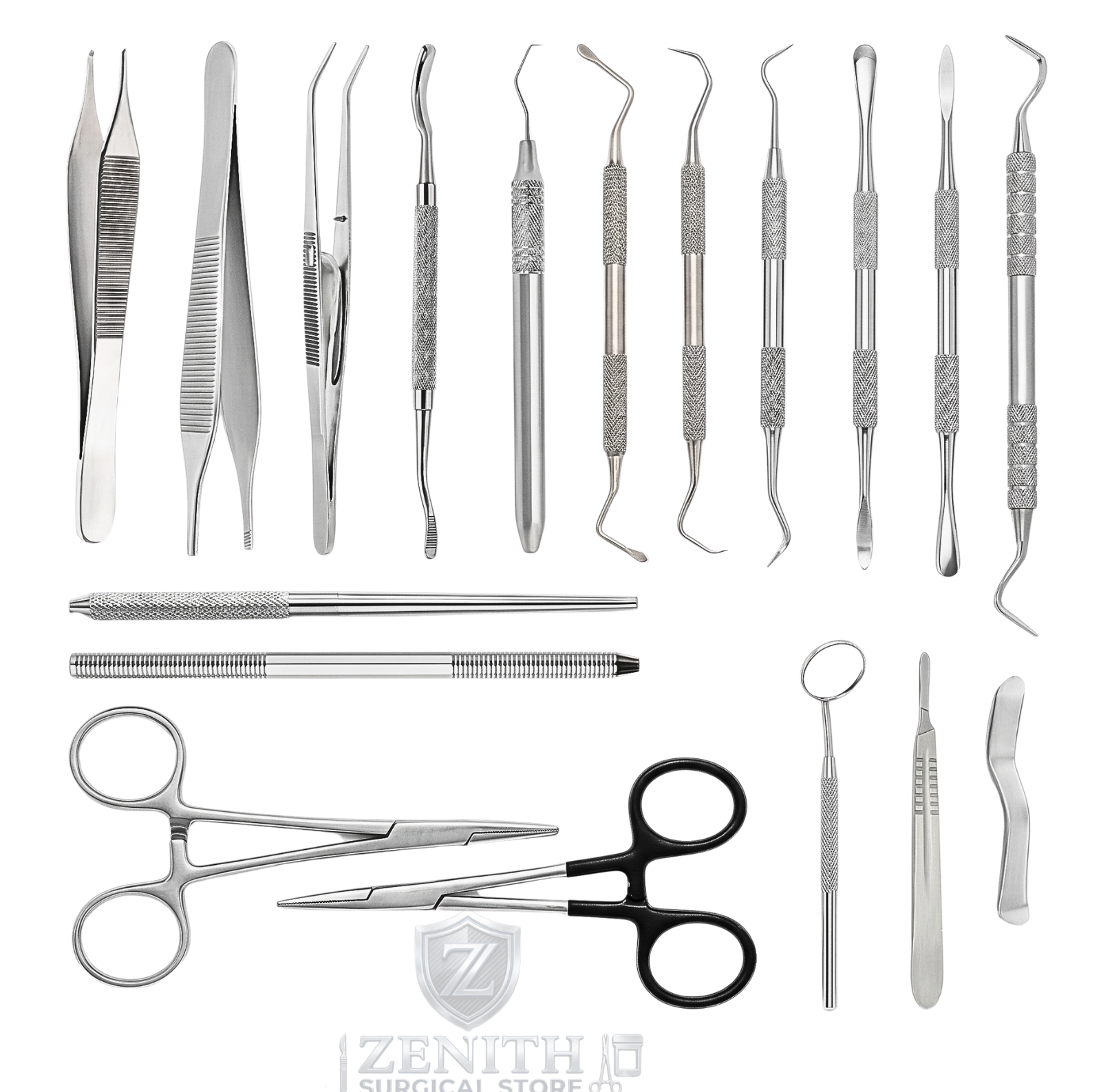
Periodontal Surgical Kit-25 Pieces
Dental Surgery Kit Original price was: $190.00.$170.00Current price is: $170.00. Add to cart -
Sale!
103 Pieces Laparotomy Set Price 15% Off
Basic Surgical Instrument Kits Original price was: $400.00.$340.00Current price is: $340.00. Add to cart -
Dental Hygiene Cassettes-5 to 20 Pcs
Dental Surgery Kit Price range: $30.00 through $45.00 Select options This product has multiple variants. The options may be chosen on the product page -
Sale!
Urethral Sounds Set-8PCS
Gynecologist Tools-Premium Instruments Original price was: $120.00.$95.00Current price is: $95.00. Add to cart -
Sale!
8 Pieces-Hegar Dilator Surgical Instruments Set
Gynecologist Tools-Premium Instruments Original price was: $120.00.$95.00Current price is: $95.00. Add to cart -
Sale!
Dilation And Curettage Kit _ 30 Pcs
Gynecologist Tools-Premium Instruments Original price was: $255.00.$235.00Current price is: $235.00. Add to cart -
Sale!
Feline Spay Surgical Kit-18 PCS
Veterinary Surgical Tools & Kits Original price was: $120.00.$95.00Current price is: $95.00. Add to cart -
Sale!
Blepharoplasty Instrument Set-30 Pcs
Tools for Plastic Surgery Original price was: $480.00.$445.00Current price is: $445.00. Add to cart -
Sale!
Acl Pcl Instrument Set-44 Pcs
Orthopedic Implants And Instruments Original price was: $1,690.00.$1,550.00Current price is: $1,550.00. Add to cart -
Sale!
Basic Orthopedic Instrument Set-105 Pieces
Orthopedic Implants And Instruments Original price was: $1,330.00.$1,149.90Current price is: $1,149.90. Add to cart -
Sale!
Dental Extraction Forceps And Elevators-9 Pcs
Dental Surgery Kit Original price was: $120.00.$94.50Current price is: $94.50. Add to cart -
Sale!
DHS DCS Instrument Set-29 pieces
Orthopedic Implants And Instruments Original price was: $430.00.$385.00Current price is: $385.00. Add to cart -
Sale!
The 41-Piece Laceration Surgery Suture Kit
Basic Surgical Instrument Kits Original price was: $125.00.$99.90Current price is: $99.90. Add to cart -
Sale!
Interlocking Nail Set-23 Pieces-Ortho Set
Orthopedic Implants And Instruments Original price was: $800.00.$799.90Current price is: $799.90. Add to cart -
Sale!
Thyroidectomy Instruments Set-58 Pcs
ENT Surgical Instruments Set Original price was: $1,500.00.$1,250.00Current price is: $1,250.00. Add to cart -
Sale!
Bakes Dilator Set-13 PCS
Gynecologist Tools-Premium Instruments Original price was: $120.00.$95.00Current price is: $95.00. Add to cart -
Sale!
AV Fistula Instruments Set-95 PCS
CVT- Instruments Original price was: $1,250.00.$1,045.00Current price is: $1,045.00. Add to cart -
Sale!
suture removal kit-10 Pcs
Basic Surgical Instrument Kits Original price was: $100.00.$95.00Current price is: $95.00. Add to cart -
Sale!
Minor Orthopedic Instrument Set_130 Pcs
Orthopedic Implants And Instruments Original price was: $1,250.00.$979.90Current price is: $979.90. Add to cart -
Sale!
ACDF Instrument Set-23PCS
Orthopedic Implants And Instruments Original price was: $1,285.00.$1,185.00Current price is: $1,185.00. Add to cart -
Sale!
5 Pcs-Basic Dental Exam Kit, Diagnostic Instrument
Basic Surgery Tools Original price was: $38.00.$29.99Current price is: $29.99. Add to cart -
Sale!
Orthopedic Instrument Set-67 Pieces
Orthopedic Implants And Instruments Original price was: $530.00.$449.90Current price is: $449.90. Add to cart -
Sale!
Basic Dissecting Kit-11 Pcs Dissecting
Basic Surgery Tools Original price was: $85.00.$70.00Current price is: $70.00. Add to cart -
Sale!
Basic ENT Instrument Set -32 Pcs
ENT Surgical Instruments Set Original price was: $280.00.$265.00Current price is: $265.00. Add to cart