Foerster Sponge Forceps: Uses, Advantages, and Sponge Holding Forceps Guide
When it comes to maintaining a clean, controlled surgical field, few instruments are as quietly essential as the sponge forceps Foerster design. Recognized by their ringed jaws and secure locking grip, these tools have earned a permanent place in operating rooms, gynecological suites, and prep areas around the world. This guide walks through what makes this instrument so widely trusted, how it compares to similar designs, and what to look for when choosing the right one for a given procedure.
What Are Foerster Sponge Forceps?
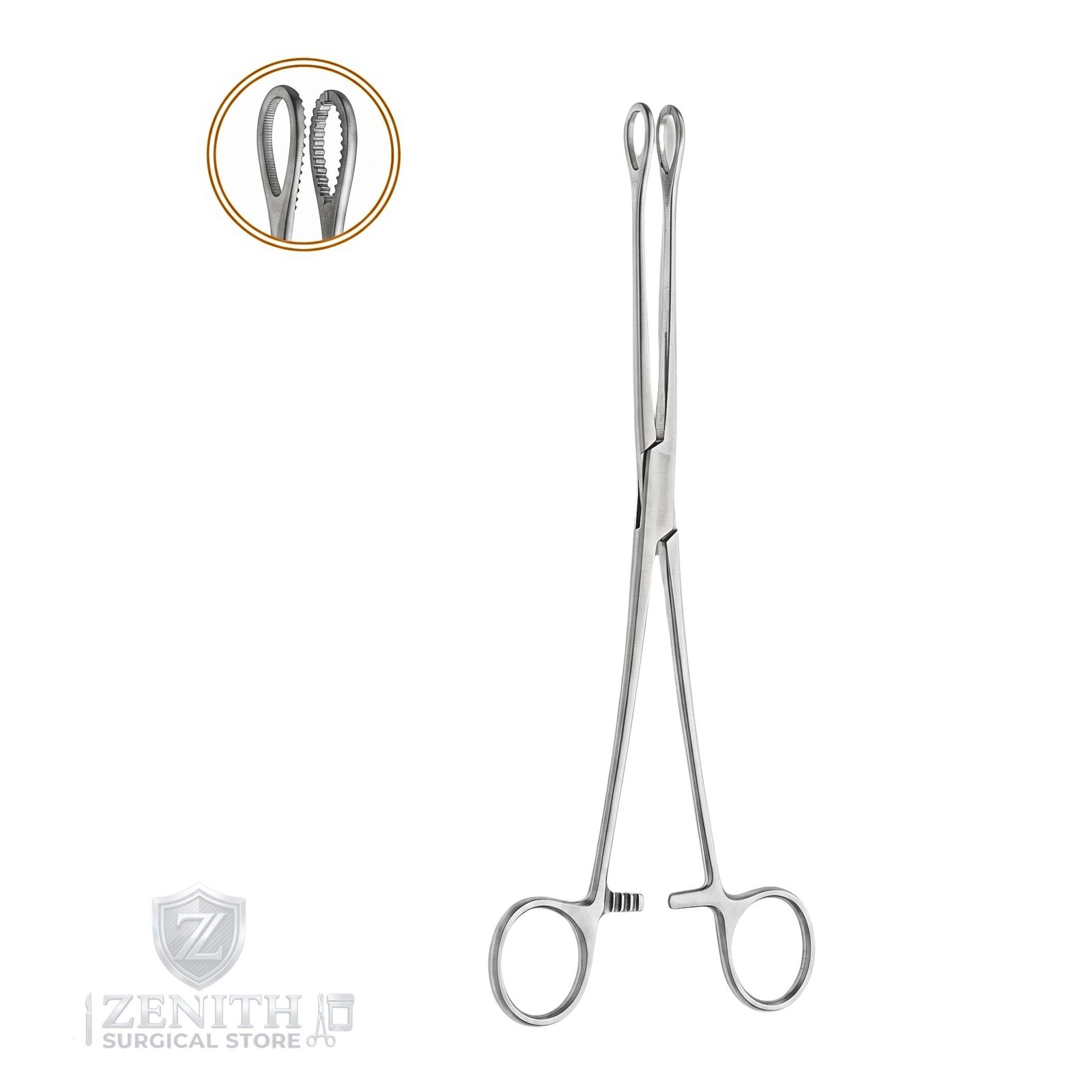
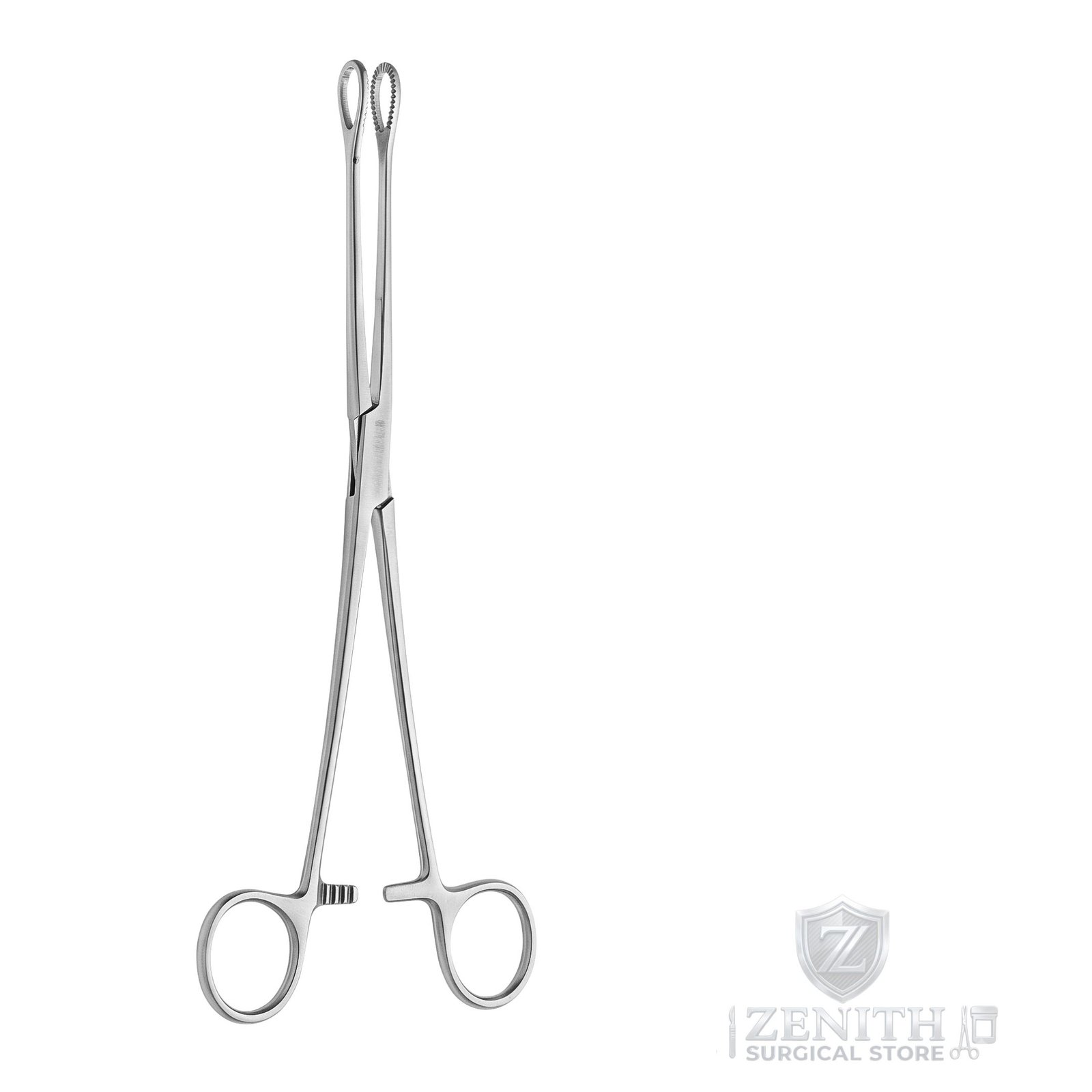
Foerster sponge forceps are a type of ring-handled surgical instrument designed primarily for holding sponges, gauze, or dressing material securely during a procedure. Unlike tissue forceps, which are built for grasping delicate anatomy, this tool is purpose-made for handling absorbent materials, prepping surgical sites, and assisting with general wound care tasks throughout surgery.
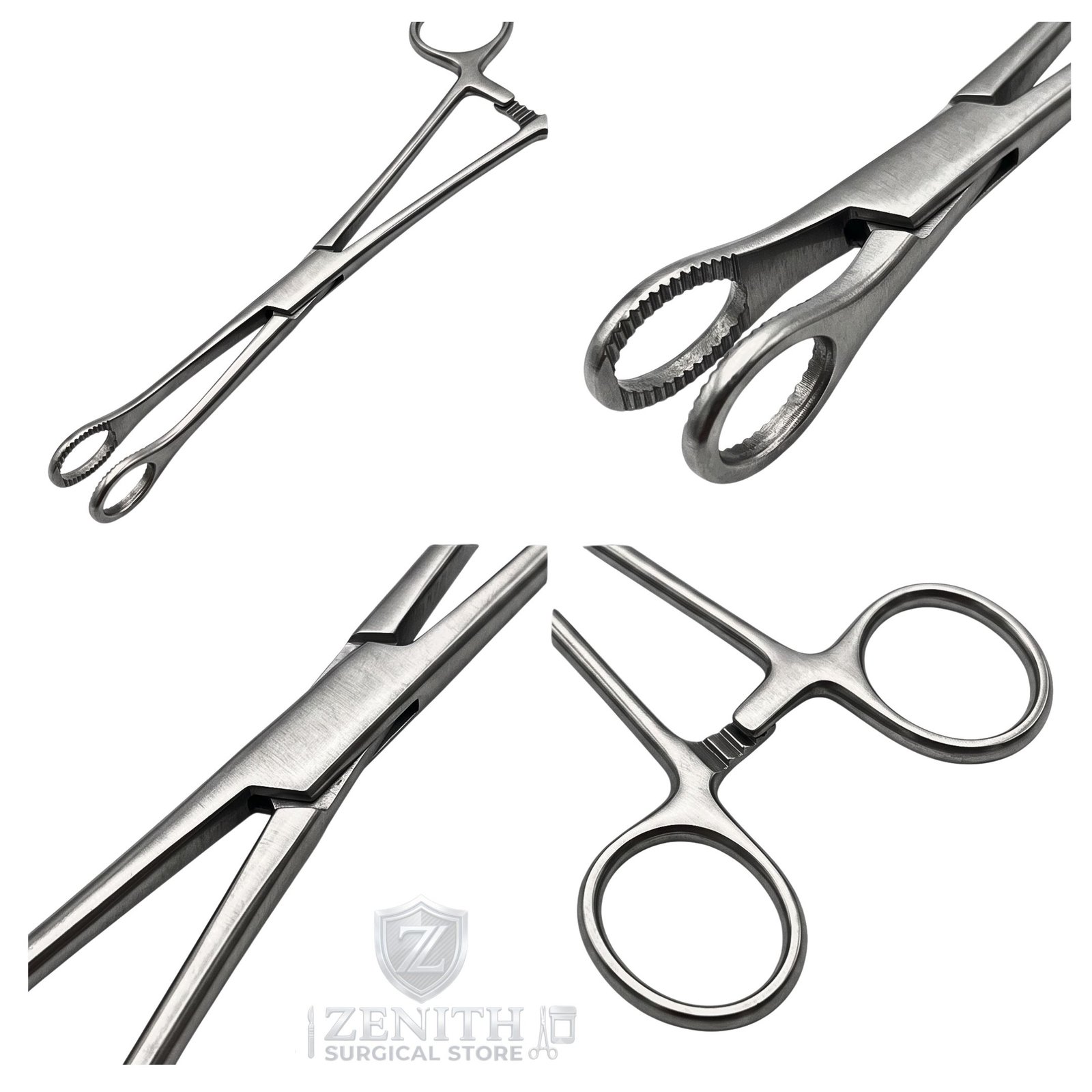
The defining feature of this instrument is its rounded, serrated ring tip, which provides a secure hold on sponge material without tearing or damaging it. This design allows the surgical team to manage bleeding, clean the surgical field, or apply antiseptic solutions with confidence and control.
Like many ring-handled surgical tools, the sponge Holding forceps pattern includes a ratchet-locking mechanism built into the handle. This allows the jaws to remain securely closed around a sponge once positioned, freeing the surgeon’s or assistant’s hand for other tasks without worrying about accidentally dropping or losing grip on the material being held.
A Closer Look at the Design
The ring tip found on this instrument is specifically shaped to cradle sponge material evenly, distributing pressure across a wider surface area rather than concentrating it at a single point. This helps prevent the sponge from slipping or tearing during use, which is especially important when precision and control are needed near a sensitive surgical site.
Because the instrument is designed for holding rather than cutting or dissecting, its jaws are generally smooth along the inner ring, aside from fine serrations that improve grip on the sponge material itself. This makes the tool gentle enough for repeated use on dressing material while still offering the strength needed to maintain a secure hold throughout a procedure.
Straight vs Curved Designs
Like many surgical instruments, the sponge forceps Foerster pattern is available in both straight and curved variations, allowing practitioners to select the design best suited to their specific needs.
The straight version is often preferred for general use, offering a simple, direct approach to holding and applying sponge material during routine procedures. Its design works well for surface-level tasks where a clear line of sight and access is available.
The curved variation, on the other hand, offers improved access to tighter or less accessible areas, making it particularly useful during procedures where the surgical site is harder to reach directly. Many gynecological procedures favor the curved design for this very reason, as it allows for better maneuverability within the pelvic region without requiring awkward hand positioning.
Both versions serve the same fundamental purpose, differing mainly in how they access and interact with the surgical area based on the procedure’s specific demands.
Foerster vs Ballenger: Understanding the Difference
Surgical teams sometimes compare the Foerster design to the Ballenger pattern, another ring-style forceps occasionally used for similar holding tasks. While both instruments share a somewhat similar overall appearance, with ring handles and a locking ratchet, there are some distinctions worth noting.
The Ballenger pattern is more commonly associated with nasal or ENT procedures, often featuring a slightly different ring shape suited to handling smaller packing material within tighter anatomical spaces. The Foerster design, by contrast, is generally larger and more versatile, making it better suited for broader general surgical and gynecological applications involving standard sponge and dressing material.
Understanding this difference helps surgical teams select the right tool for the right task, ensuring that the chosen instrument matches both the material being handled and the specific anatomical area involved in the procedure.
Common Uses in Surgery and Gynecology
The sponge forceps Foerster design is incredibly versatile, making it a common fixture across many different surgical settings. Some of its most frequent applications include:
- Surgical Site Prep: Assisting with the application of antiseptic solutions before an incision is made.
- Sponge and Dressing Management: Securely holding gauze or sponge material to control bleeding or clean the surgical field during a procedure.
- Gynecological Procedures: Frequently used for prepping and maintaining a clear field during pelvic exams or surgeries, where the curved design is often preferred.
- General Surgery Support: A reliable tool for holding dressing material across a wide range of procedures, regardless of specialty.
Because of this versatility, the instrument is often included in general surgical trays, gynecological kits, and prep stations throughout hospitals and clinics.
Why Surgical Teams Rely on This Instrument
The appeal of the sponge forceps Foerster pattern comes down to its simplicity and reliability. Surgical teams need instruments they can depend on without hesitation, particularly for tasks as fundamental as maintaining a clean, controlled field throughout a procedure. The secure ring grip, combined with the ratchet-locking handle, offers exactly that kind of dependable performance.
Because this tool is used so frequently throughout nearly every type of procedure, from minor outpatient work to more complex surgical cases, its consistent, uncomplicated design has made it a staple instrument that rarely needs reinventing. Surgeons and assistants alike appreciate having a tool that performs its intended function without unnecessary complexity.
Material and Build Quality
Like most professional-grade surgical instruments, the sponge forceps Foerster pattern is typically crafted from high-quality 316L stainless steel, a material valued for its excellent resistance to corrosion and long-term durability. This ensures the instrument remains reliable even after repeated use and sterilization cycles in busy surgical and gynecological settings.
Many premium versions are manufactured according to German engineering standards, reflecting the precision and consistency that surgical teams expect from dependable, everyday tools. This level of craftsmanship helps ensure smooth ratchet function and a secure, even grip on sponge material every time the instrument is used.
Proper jaw alignment is particularly important with this design, as uneven or misaligned ring tips could compromise the instrument’s ability to hold sponge material securely, potentially leading to slippage during a critical moment in the procedure.
Sterilization and Long-Term Durability
Being fully autoclavable, the sponge forceps Foerster pattern can be sterilized repeatedly without compromising its structural integrity or ratchet function. This makes it a practical, long-term investment for hospitals, clinics, and surgical centers that rely on this instrument across countless procedures every week.
Routine inspection after cleaning is a good practice, ensuring the ring tips remain properly aligned and the ratchet continues to lock smoothly. Any instrument showing signs of wear, such as a loose ratchet or misaligned jaws, should be set aside for repair or replacement to maintain consistent performance during future procedures.
Storage and Organization
Like other surgical tools, this instrument is typically stored within a cassette system, helping keep it organized and protected between uses. This approach simplifies the sterilization process while ensuring the forceps remain easily accessible whenever they’re needed for an upcoming procedure.
Proper storage also helps extend the instrument’s lifespan, reducing unnecessary wear from improper handling or storage alongside heavier, potentially damaging tools. A well-organized surgical tray, with instruments like this stored thoughtfully within their designated cassette space, contributes to smoother, more efficient procedures overall.
Foerster Sponge Forceps: Uses, Benefits, and How to Choose the Right Instrument
Key Benefits at a Glance
For surgical teams evaluating their instrument options, it helps to summarize why this particular design remains such a popular choice:
- Secure Grip: The ring tip design holds sponge material firmly without tearing or slipping.
- Versatile Design Options: Available in both straight and curved variations to suit different procedural needs.
- Durable Construction: Built from 316L stainless steel for long-term reliability and resistance to corrosion.
- Consistent Performance: German engineering standards help ensure smooth, dependable function with every use.
- Easy Sterilization: Fully autoclavable, supporting repeated use across busy surgical schedules.
These combined benefits explain why this instrument remains a trusted choice across general surgery, gynecological procedures, and routine prep work throughout many healthcare settings.
How to Choose the Right Sponge Forceps for the Job
When selecting the right instrument for a specific procedure, surgical teams should consider a few key factors:
Procedure Type: General surgical tasks may be well-suited to the straight design, while gynecological or deeper anatomical work often benefits from the improved access offered by the curved variation.
Material Quality: Choosing an instrument crafted from 316L stainless steel ensures better long-term durability, particularly important for tools used frequently across many procedures.
Build Precision: Opting for instruments manufactured to German engineering standards can offer added confidence in consistent ratchet function and secure jaw alignment.
Intended Frequency of Use: For high-volume surgical centers, investing in durable, autoclavable instruments like this pattern helps reduce long-term replacement costs while maintaining reliable performance.
Comparing Similar Designs: Understanding how this instrument compares to similar options, such as the Ballenger pattern, can help ensure the right tool is selected for the right anatomical application, particularly in specialized fields like ENT or gynecology.
Taking these factors into account allows surgical teams to make informed decisions, ensuring that each procedure is supported by the most appropriate, reliable instrument available.
A Staple Across Surgical Specialties
What makes the sponge forceps Foerster design so enduring is its ability to serve a simple yet essential function across nearly every surgical specialty. Whether assisting with site prep before an incision, managing sponge material during an active procedure, or supporting general dressing changes, this tool remains a dependable presence in operating rooms and procedure suites alike.
Its straightforward ring-and-ratchet design hasn’t needed significant reinvention over the years, a testament to how well the original concept continues to meet the practical needs of modern surgical teams. While newer, more specialized tools continue to emerge across various fields, this classic design remains relevant precisely because it does its job so effectively without unnecessary complexity.