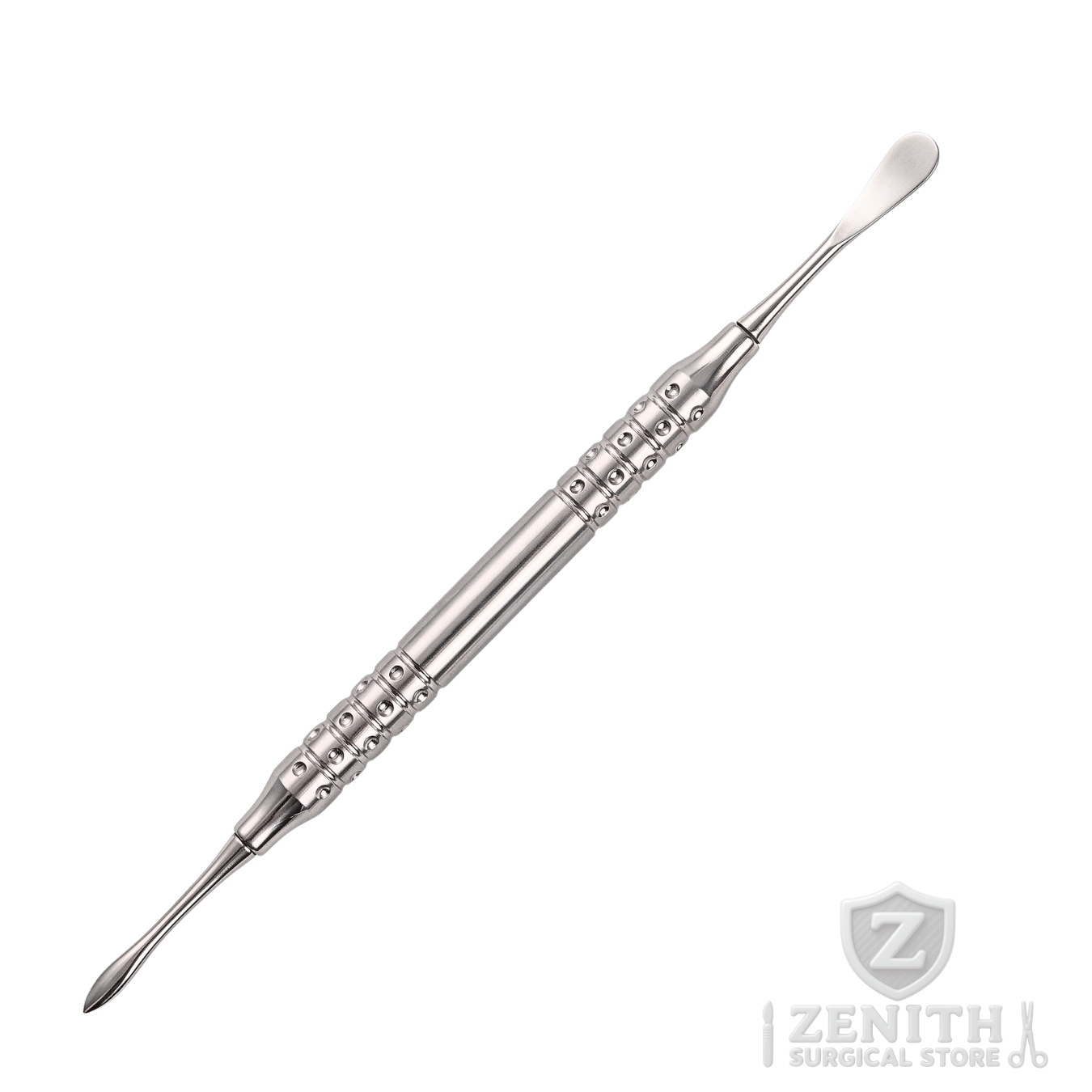
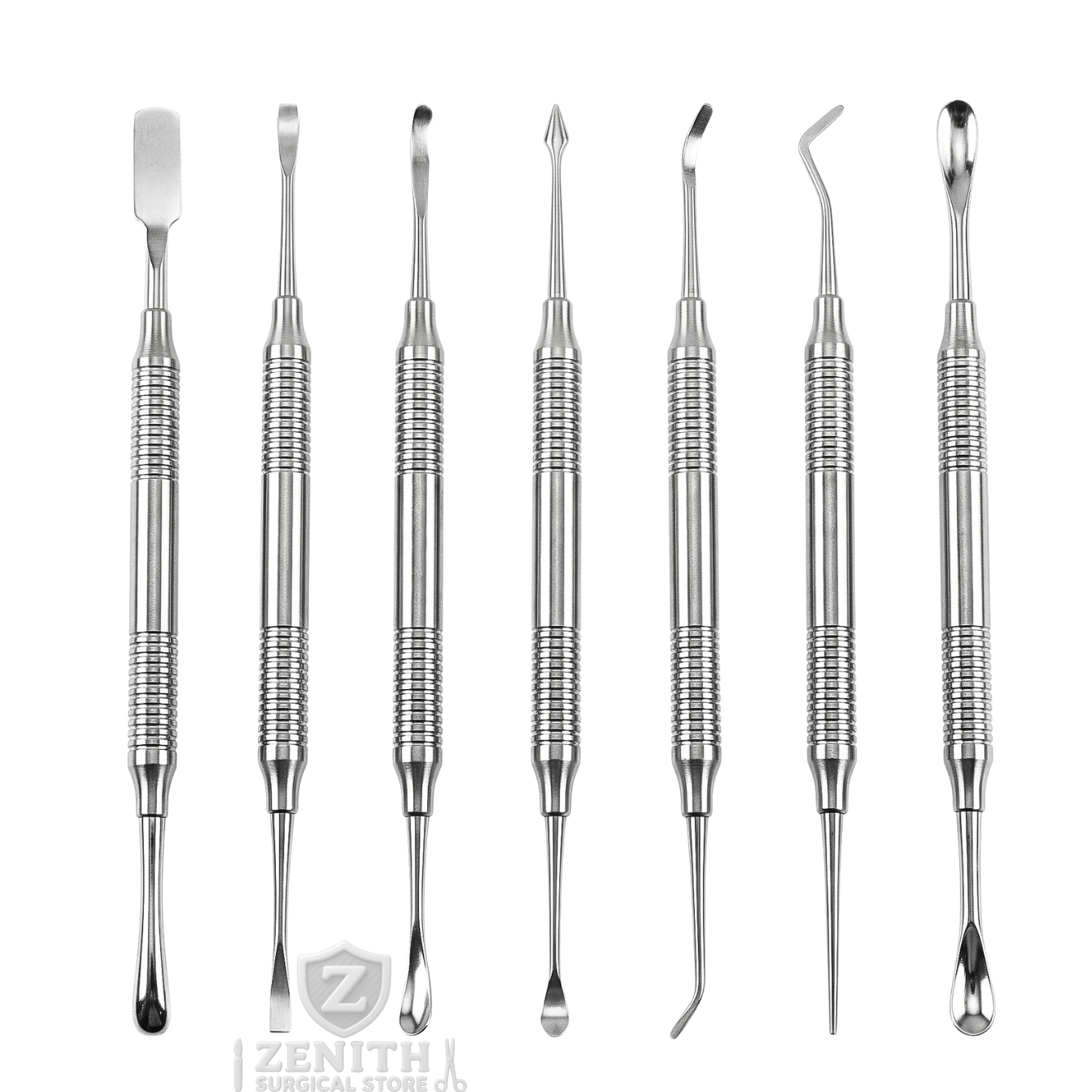
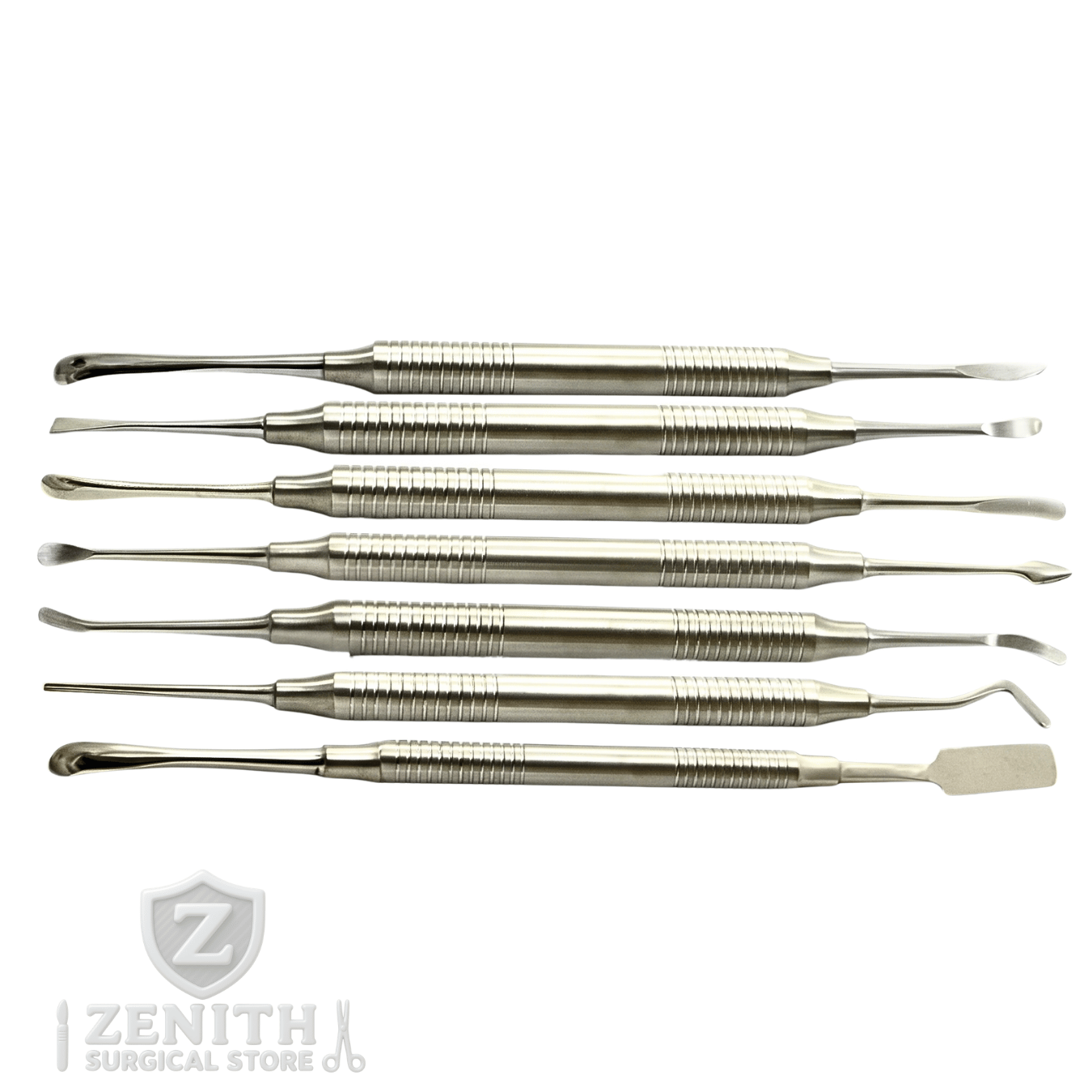
Periosteal Elevators – 7Pcs
$7.50 – $80.00Price range: $7.50 through $80.00
INVENTORY
- Material : High-Grade Stainless Steel / Titanium
- Finish : Satin / Anti-Glare / Corrosion-Resistant
- Sterilization : Autoclave Safe & Reusable
- Grip : Non-Slip Ergonomic Handle
- Grade : Medical / Surgical Grade
About this item
A periosteal elevator is a practical surgical tool designed to separate soft tissue from the bone surface during selected dental and orthopedic procedures. Available in patterns such as Molt, Woodson, and No. 9, it comes in different working-end shapes to support varied access requirements. Material quality, ergonomic design, and proper reprocessing are important factors when selecting reusable instruments for professional clinical settings.
Relating Products
Related products
-
Dental Extraction Forceps And Elevators-9 Pcs
Dental Surgery Kit$120.00Original price was: $120.00.$94.50Current price is: $94.50. Add to cart -
Dental Cryer Elevators -7Pcs Tooth Extraction
Dental Elevator$52.00Original price was: $52.00.$45.00Current price is: $45.00. Add to cart -
Dental Syringe-1.8cc
Dental Surgical Instruments$20.00Original price was: $20.00.$18.50Current price is: $18.50. Add to cart -
Straight Elevator Dental Pack of 3
Dental Elevator$45.00Original price was: $45.00.$40.00Current price is: $40.00. Add to cart -
Bracket Positioning Gauge Orthodontic – Pack of 3
Dental Surgical Instruments$30.00Original price was: $30.00.$25.90Current price is: $25.90. Add to cart -
Automatic Crown Removal Tool Gun with 5 Attachments
Dental Surgical Instruments$35.00Original price was: $35.00.$32.50Current price is: $32.50. Add to cart -
Articulating Paper Forceps-16cm
Basic Surgery Tools$9.00Original price was: $9.00.$8.20Current price is: $8.20. Add to cart -
Dental Removal Tools Set-16 Pcs With Crown Remover
Dental Surgery Kit$142.00Original price was: $142.00.$132.00Current price is: $132.00. Add to cart
Periosteal Elevator: Design, Uses, and Surgical Applications
Introduction
A periosteal elevator is a specialized surgical instrument used to separate the periosteum, the thin layer of tissue covering the surface of bone, from the underlying structure. It is commonly used in dental procedures and selected orthopedic operations where controlled tissue separation and access to bone are required. Its shape, blade design, and handle provide the control needed for careful manipulation during surgical preparation.
Available in different patterns and sizes, this instrument supports procedures ranging from oral surgery to bone exposure in orthopedic settings. Understanding its design, material quality, and intended applications helps healthcare professionals and instrument buyers select suitable tools for their requirements.
What Is a Periosteal Elevator?
A periosteal elevator typically features a handle connected to one or more flattened working ends. These ends are designed to pass between the periosteum and the bone surface, helping lift or separate the tissue without relying on sharp cutting edges.
The instrument may have a straight, curved, rounded, or angled working end, depending on its intended use. Some patterns have different shapes at each end, allowing the practitioner to select the surface that provides appropriate access and control.
A surgical bone elevator is a broader description for instruments used to lift or separate tissue around bone. The exact design and application depend on the procedure and the anatomical area being treated.
Common Types and Designs
Different instrument patterns are available to accommodate variations in access, tissue handling, and surgical technique.
Molt Periosteal Elevator
The Molt pattern is widely associated with dental and oral surgery. Its working ends may have different shapes to support tissue elevation in areas with varying access requirements. It is commonly used when reflecting a mucoperiosteal flap to expose the underlying bone.
Woodson Elevator
The Woodson pattern is another design associated with dental and surgical applications. Its working-end configuration can support controlled tissue manipulation in selected procedures. The specific shape should be checked against the manufacturer’s product description before an instrument is selected.
No. 9 Design
The No. 9 periosteal elevator is commonly recognized in dental instrumentation. A No. 9 model may be selected for oral surgical procedures requiring controlled tissue elevation from bone. Buyers should verify the exact blade profile, dimensions, and handle design because product specifications can vary between manufacturers.
Other Elevator Patterns
Additional patterns, including Roulette designs, may appear in instrument catalogues. The appropriate choice depends on the working-end shape, access requirements, and intended application. Comparing several elevators by their actual dimensions and design features helps avoid choosing a tool based on its name alone.
Dental Applications and Flap Reflection
A dental periosteal elevator is used in procedures where soft tissue must be separated from the bone surface. One important application is the reflection of a mucoperiosteal flap, which allows access to the underlying anatomical area.
As a mucoperiosteal flap reflection tool, the instrument helps lift the tissue layer in a controlled manner. This access may be needed during tooth extraction, selected oral surgical procedures, and other treatments involving the surrounding bone.
Careful handling is important because excessive pressure or an unsuitable working edge may damage tissue. The choice of instrument and technique should be determined by a qualified dental or surgical professional according to the procedure being performed.
Orthopedic and Bone Exposure Applications
An orthopedic periosteal elevator is intended for selected procedures where the periosteum or adjacent soft tissue must be separated to provide access to bone. Depending on its design, it may be used during surgical exposure and preparation of the operative site.
As a bone exposure instrument, the tool supports access to the bone surface while helping the practitioner work within the required anatomical area. Instrument size, handle length, and blade configuration are important considerations when working in locations with limited access.
A bone scraping instrument has a different primary function from a conventional tissue elevator, although some surgical instruments may be designed for more than one purpose. These terms should not be treated as interchangeable when selecting tools for a specific procedure.
Material and Manufacturing Quality
Material quality influences an instrument’s durability, surface finish, and suitability for repeated clinical use. 316L stainless steel surgical instruments are valued for their corrosion resistance and are used in some reusable surgical instrument designs. The actual grade should be confirmed through the manufacturer’s specifications rather than assumed from appearance alone.
German stainless steel dental tools is a term commonly used in product descriptions, but buyers should review the stated material grade, manufacturing details, and quality documentation to understand what is being offered.
A well-made instrument should have a comfortable handle, a properly finished working end, and a secure connection between its components. Smooth surfaces and carefully formed edges also support inspection and cleaning.
Cleaning, Sterilization, and Storage
Reusable instruments must be cleaned, inspected, and sterilized according to the manufacturer’s validated instructions and the healthcare facility’s infection-control procedures. Soil and residue should be removed before sterilization, as required by the instrument’s instructions for use.
An autoclavable instrument cassette can help organize compatible instruments during processing and storage. However, the instrument and cassette must both be suitable for the selected sterilization cycle. Staff should inspect the working end, handle, and overall condition before reuse and remove damaged instruments from service.
Proper storage helps protect the working surfaces from scratches and other damage. The instrument should remain organized with compatible tools and be handled according to established clinical protocols.
Choosing the Right Model
When comparing options, buyers and clinical teams should consider:
-
Working-end shape: Select a profile appropriate for the intended procedure and anatomical access.
-
Instrument dimensions: Check the overall length, blade width, and working-end configuration.
-
Handle design: Consider grip, balance, and control during use.
-
Material documentation: Confirm the stated stainless steel grade and product specifications.
-
Reprocessing requirements: Verify compatibility with the facility’s cleaning and sterilization procedures.
-
Supplier information: Review product details and quality documentation before purchasing.
The instrument name alone may not fully describe its design, so product images and technical specifications should be reviewed before ordering.


