Dental Cryer Elevators for Tooth Extraction: Design, Uses, and Instrument Quality
Introduction
Dental extractions require carefully selected instruments that help dental professionals work with control and precision. Among the instruments used in oral surgery, Cryer elevators are designed to assist with the removal of roots and root fragments when a tooth cannot be extracted easily with forceps alone. Their angled working ends help provide access to difficult areas of the mouth during surgical procedures.
A well-designed Cryer elevator can be a useful part of a professional dental extraction instrument collection. Its shape, working tip, handle design, and material quality all influence handling and durability. Understanding these features helps dental clinics, oral surgery practices, and dental instrument buyers choose suitable tools for their procedural needs.
What Are Cryer Elevators?
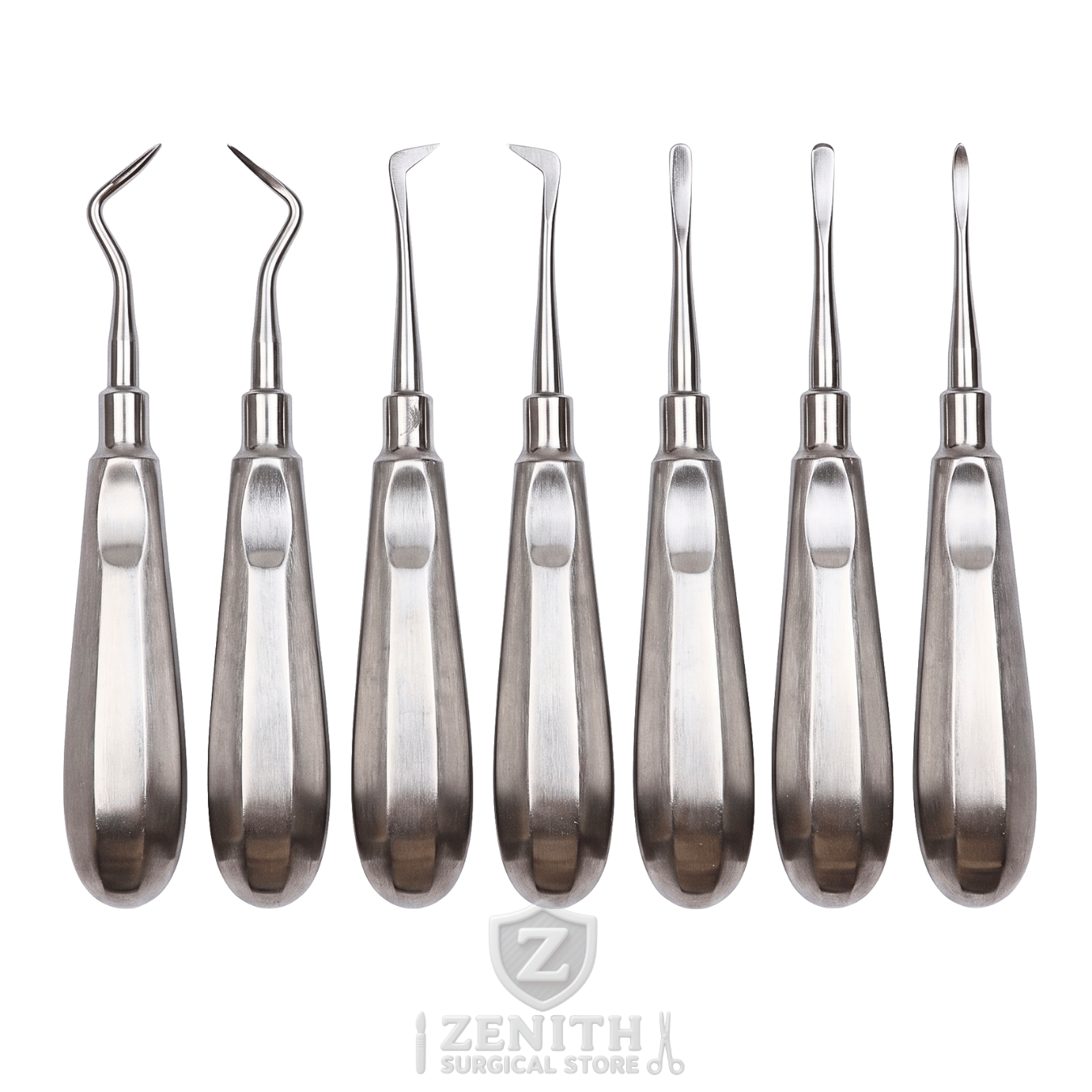
Cryer elevators are specialized dental instruments commonly associated with the removal of retained roots and root fragments. They are used in exodontia, the branch of dentistry concerned with tooth extraction. Their distinctive angled or triangular working ends are designed to engage a root or fragment and help mobilize it through controlled leverage.
These instruments are generally used when a root remains after the crown has fractured or when a tooth requires surgical removal. The appropriate instrument depends on the location of the root, the surrounding anatomy, and the clinical situation. Instrument selection and use should always be guided by a qualified dental professional.
East and West Designs: Understanding the Pair
Cryer patterns are commonly available as paired instruments identified as East and West. These names distinguish the orientations of their working ends, allowing the clinician to select an instrument suited to the access and direction required.
The two designs can support access to different sides of a root during an extraction procedure. Having both orientations available gives the dental professional more flexibility when working in restricted spaces or managing separated root fragments.
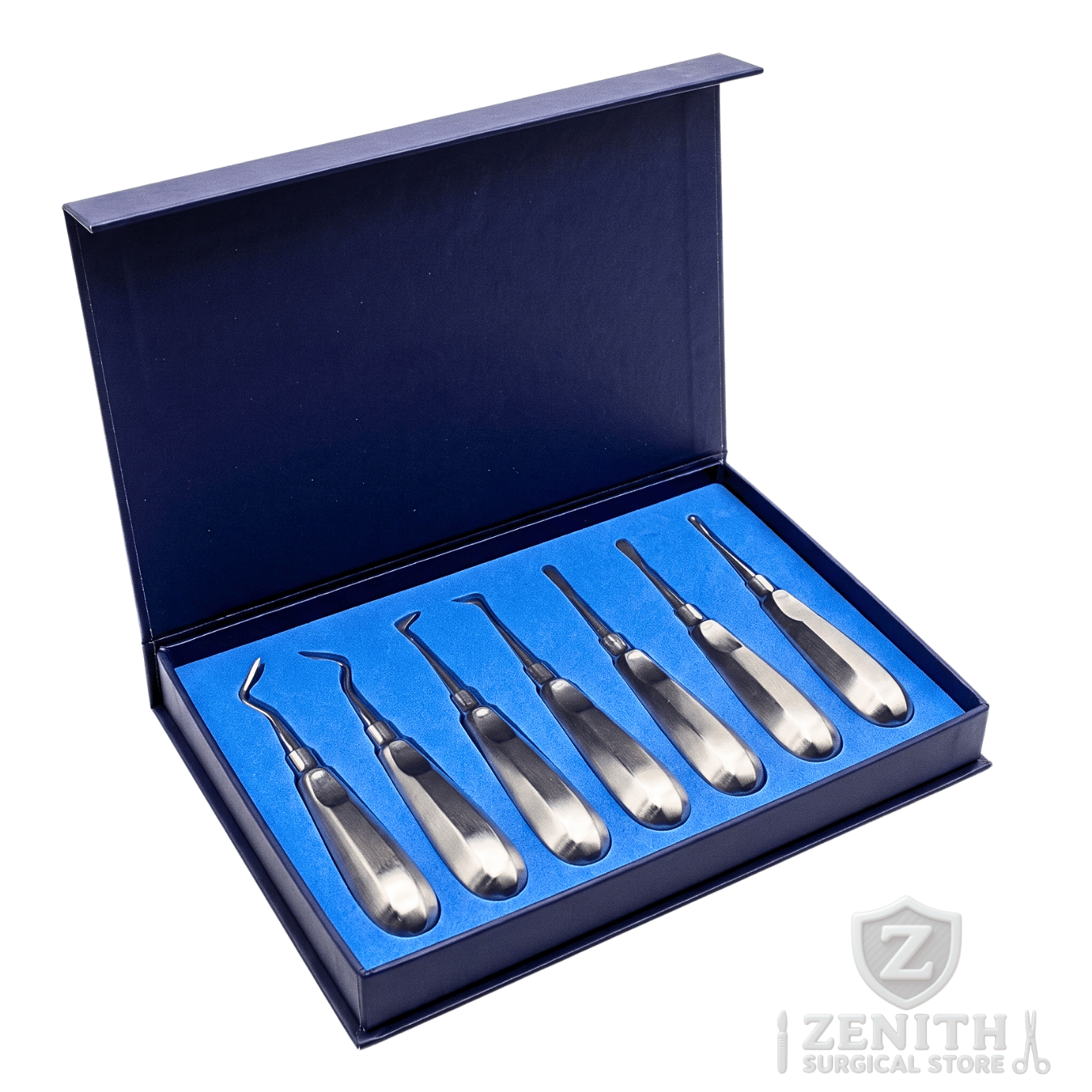
When purchasing a dental instrument kit, clinics may consider whether the set includes both orientations. Buyers should verify the exact configuration, dimensions, and product description before ordering rather than assuming that every set contains the same components.
Working Tip and Handle Design
The tip is a defining feature of this instrument. Its shape is intended to engage the root surface or fragment and provide controlled leverage. Proper selection matters because the anatomy and position of a root can vary considerably between patients.
The handle provides the surface through which the clinician controls the instrument. A well-finished handle should offer a secure, comfortable grip and support precise movement. The connection between the handle and working end should be sturdy, while the tip should have a consistent finish appropriate to the intended design.
Although these instruments may sometimes be described as a root pick or root elevator, they should not be treated as interchangeable with every other dental extraction tool. Different designs have different purposes, and choosing the correct pattern helps support controlled clinical technique.
Role in Dental Exodontia and Surgical Tooth Extraction
During exodontia, the clinician assesses the tooth and surrounding tissues before choosing an appropriate instrument. When a root fragment remains or direct access is limited, an elevator may be selected to help mobilize the fragment.
A Cryer-pattern instrument may be included among the surgical tools used for difficult root removal. However, it is not suitable for every extraction, and its use requires knowledge of root anatomy, adjacent structures, and safe leverage. Excessive or poorly directed force can damage surrounding bone or soft tissue.
The instrument is therefore best understood as one component of a broader extraction setup. Depending on the procedure, other dental instruments may also be required. The clinician determines the sequence and technique according to the clinical findings rather than relying on a single tool for every case.
Material Quality: Stainless Steel and Manufacturing
Material selection is an important consideration for reusable dental instruments. 316L stainless steel is often valued in medical and dental manufacturing for its corrosion resistance and suitability for instruments designed for repeated cleaning and sterilization. The precise grade should be confirmed from the manufacturer’s specifications rather than inferred from appearance alone.
Buyers may also encounter products described as German instruments or German-style dental instruments. Such descriptions should be assessed carefully, since they do not automatically confirm the manufacturing origin, steel grade, or quality of a particular item. Clear product information and reliable quality documentation provide a stronger basis for comparison.
A suitable instrument should have a smooth finish, a well-formed working end, and a handle designed for dependable control. Inspection for visible damage, corrosion, rough edges, or deformation is important before use.
Cleaning, Sterilization, and Instrument Storage
Reusable extraction instruments must be cleaned, inspected, packaged, and sterilized according to the manufacturer’s validated instructions and the dental facility’s infection-control procedures. Cleaning should remove visible soil before sterilization, while inspection helps identify damage that could affect safe use.
An autoclavable cassette can help organize instruments during processing and storage when the cassette is specifically designed for the applicable sterilization method. Instruments should be arranged according to the cassette manufacturer’s guidance to allow effective processing.
A well-organized kit can make instrument preparation more consistent, particularly in clinics that perform regular extraction procedures. The contents should be checked before each procedure so that the required patterns and other instruments are available.
Choosing the Right Instrument for a Dental Practice
When comparing Cryer-pattern instruments, dental buyers should consider the intended procedures, working-end orientation, handle comfort, material documentation, and sterilization compatibility. Product photographs can help with visual comparison, but dimensions and specifications should also be reviewed.
For clinics purchasing multiple instruments, consistent finishing and dependable quality control are useful considerations. A supplier should provide clear product details and confirm the included items, available configurations, and care requirements. These details help purchasing teams select products that match the needs of their dental practice.